✨Why an Artisan Gift is Truly Priceless
In the age of mass production, the term “handmade” has returned to shine, carrying a deep significance. Choosing an artisan gift is not simply an act of purchase, but a true declaration of value and thoughtfulness.
But what makes a handmade object so special, and above all, what is its true economic worth? It’s time to debunk some common myths about the cost of handmade items.
The Myth of “Low Cost”: Uniqueness is Not a Bargain
The most obvious advantage of a handmade gift is its uniqueness. There is no other perfectly identical object. Those who create with their own hands are not simply making copies, but unique pieces, bringing an original idea to life.
Key Point: When you buy a handmade object, you are not just buying a finished product, but the expression of a creative mind, the skill of expert hands, and the guarantee that your gift will be “none other like it”. This exclusivity has an intrinsic value that goes far beyond the cost of the raw materials.
The Price of Passion: How Much Effort is Behind It?
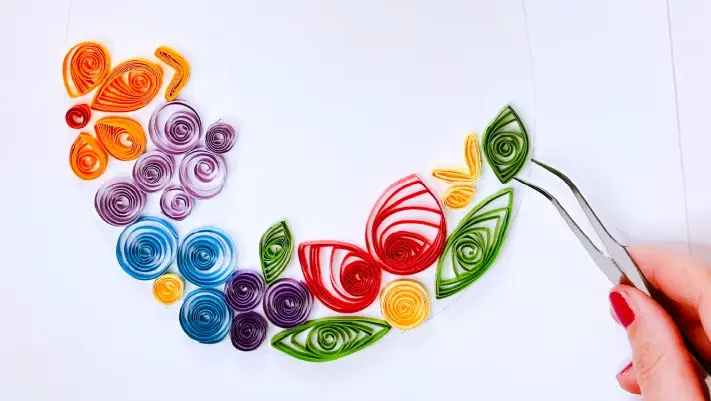
Often, the public tends to calculate the price of a handmade object based solely on the apparent cost of the materials. This is a mistake that fails to account for the most valuable factor: the artisan’s time and dedication.
Behind every creation, there is a long and often invisible process:
- Ideation: The creative act of developing an original idea.
- Prototyping: The countless tests upon tests required to refine the technique.
- Continuous Improvement: The study, courses, and experimentation needed to constantly improve and always propose new ideas.
- Patience and Precision: The great patience required to execute a job that is often meticulous and detailed.
Every piece includes the hours of labor, the physical and mental effort, and the experience the artisan has accumulated over time.
Debunking Prejudices About Materials (Recycling and Paper)
Two of the most common misunderstandings concern materials:
A. Recycled Material: Not Synonymous with Cheap
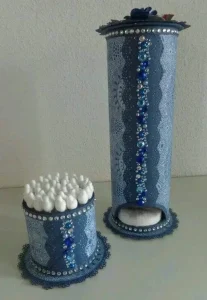
An object made with recycled material or reclaimed goods should not cost little. On the contrary, the transformation of discarded material into a beautiful and functional product often requires greater creativity and manipulation (cleaning, preparation, finishing) than using new materials. You are also paying for the ethical and sustainable choice.
B. The Quilling Technique (and Similar): Paper is Not Cheap
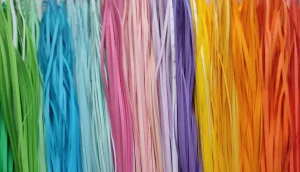
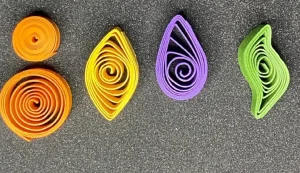
If an object is made with seemingly humble materials, such as paper in the quilling technique, this does not mean it must be cheap.
Quilling work, for example, is incredibly complex, requiring high manual dexterity, millimeter precision, and hours of labor to roll and assemble the shapes. The final cost reflects the mastery of the transformation of paper into art, not its initial cost per pound/kilo.
Conclusion: Investing in the Soul
When you choose a handmade gift, you are not simply spending money; you are making an investment.
- You are investing in the soul of the gift: an object with a story, an emotion, and a unique imperfection that makes it perfect.
- You are investing in the local economy and in the work of an artisan who has poured their heart into their creation of ideas.
Next time you look at the price of a handmade item, remember that you are valuing a piece of the artist’s life. The true value lies in that human touch, in that effort, and in that passion that no machine can ever replicate.
What are your thoughts on the value of artisan gifts? Share your opinion in the comments below!