
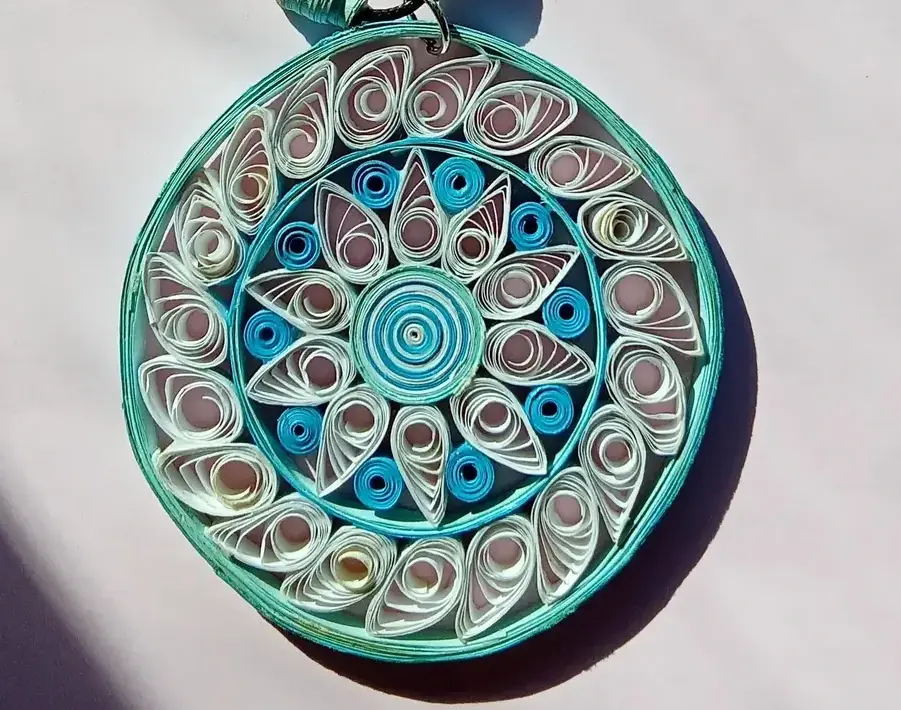
📜 The Art Unveiled: History, Origins, and Curiosities of Quilling (Paper Filigree)
If you love DIY crafts and unique decorations, you have surely heard of Quilling, the fascinating art of rolling and shaping thin strips of paper to create stunning three-dimensional designs. Also known as paper filigree, this ancient technique has a rich and captivating history, spanning from medieval monasteries to royal courts.
But where exactly does Quilling come from? And why has it become so popular again today?
Let’s explore the origins, evolution, and curiosities of this art that transforms simple paper into truly precious works.
🕰️ Ancient Roots: How Long Has Quilling Existed?
The exact origins of Quilling are shrouded in mystery, but the most accredited theories place its roots in a very distant past:
- Ancient Egypt or Middle East: Some sources suggest that similar techniques were already used in the ancient Middle East, perhaps in Egypt, where it is believed that some jewelry worn by pharaohs’ consorts may have been created this way.
- China (Tang Dynasty): Others place the beginning shortly after the invention of paper in China (around 618-906 A.D.), where a form of paper filigree might have originated.
However, the first documented and recognizable evidence of Quilling dates back to the Renaissance in Europe.
🌍 The Golden Age: From Monastery to Court
The art of Quilling experienced its first major spread in an unexpected context: monasteries.
Quilling in the Renaissance (Italy and France)
In the 15th and 16th centuries, in Italian and French monasteries, monks and nuns began to use this technique. The goal was noble: to create decorations to embellish the covers of religious books and the relics of Saints.
The paper, often with gilded edges, was rolled and shaped to resemble the much more expensive and rare gold and silver filigree. It was a way to lend a lavish and precious appearance to sacred artifacts during a time when precious metals were scarce.
Curiosity about the name: The term “Quilling” derives from “quill”, which is a large feather used for writing. It is believed that scribes used the hollow end of goose quills to wrap and roll the paper strips, serving as the first rudimentary Quilling tools.
The Triumph in the Victorian Era
After a period of lesser popularity, Quilling returned spectacularly in England during the 17th and 18th centuries, reaching its peak in the Victorian Era (1837–1901).
It became a very popular pastime among gentlewomen and the “Ladies of Leisure.” It was considered a suitable activity that stimulated the mind in an “innocent and recreational” manner, much like embroidery. Many everyday objects were decorated with paper filigree, including:
- Work baskets
- Tea caddies and jewelry boxes
- Fireplace screens
- Family crests
Even the famous writer Jane Austen mentioned Quilling in her novel Sense and Sensibility.
💡 Modern Quilling: Art and Therapy
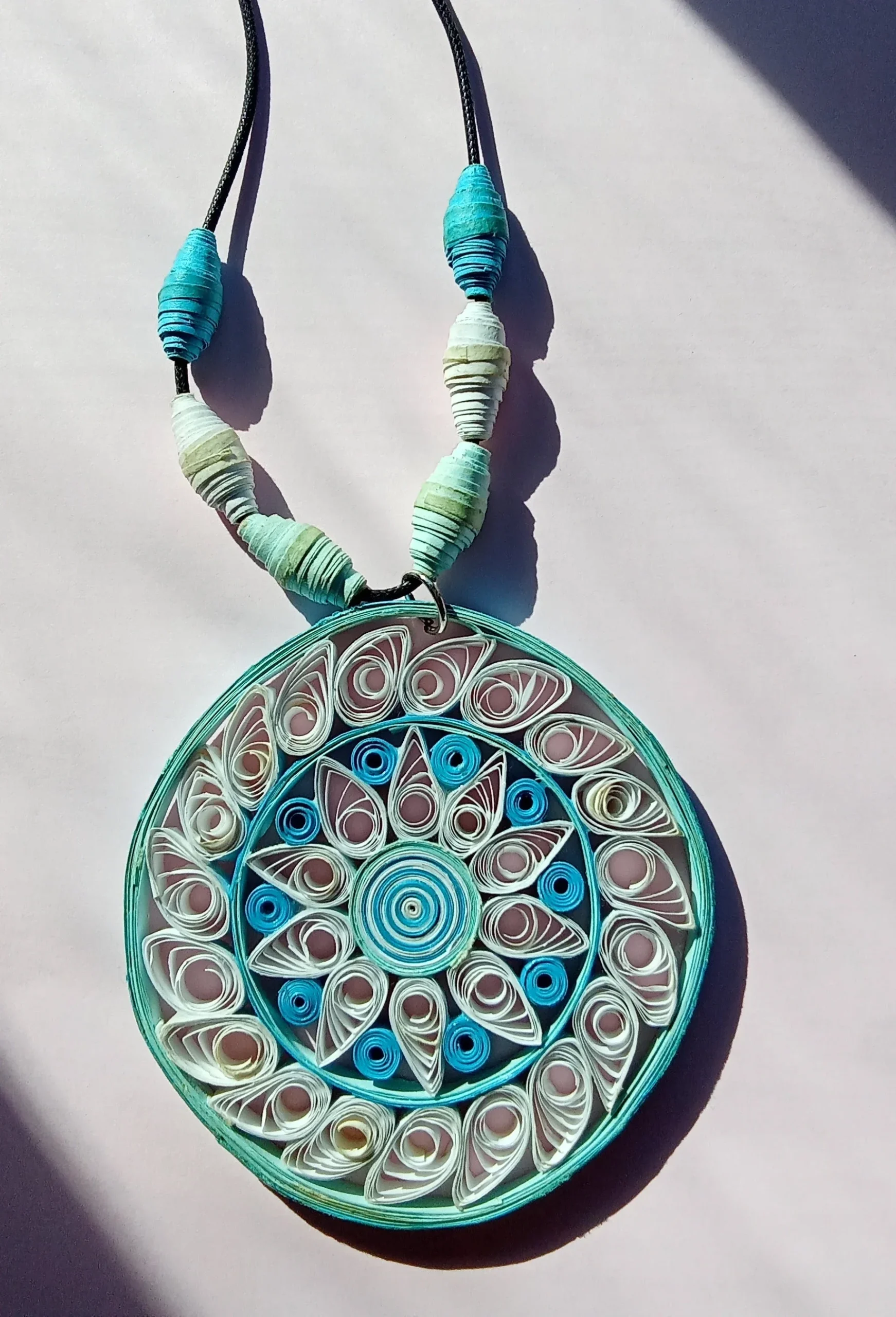
Towards the end of the 1800s, interest in Quilling gradually faded, but it did not disappear. It has experienced a true artistic revival in modern times, especially since the 20th century.
Today, thanks to the spread of the internet and social media, the art of paper filigree is loved worldwide for its versatility and its benefits:
- Stunning 3D Effect: Modern creations range from greeting cards and flat decorations to complex framed pieces and true three-dimensional sculptures.
- Relaxing Benefits: The repetitive act of rolling and shaping the paper is an excellent stress-reliever, while also improving hand-eye coordination and fine motor skills.
- Famous Artists: Contemporary artists like Yulia Brodskaya have elevated the technique to a form of modern art, creating incredibly detailed illustrations and portraits using paper.
✨ Final Curiosities about Quilling
- Affordable and Accessible: The basic materials (paper, glue, and a rolling tool) are inexpensive, making Quilling an accessible hobby for everyone.
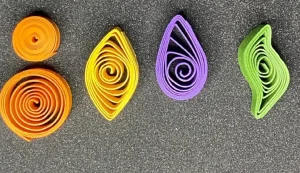
- Basic Shapes: Despite the complexity of the finished works, Quilling is based on a few simple fundamental shapes (coils, teardrops, eyes, etc.) which are then assembled.
- In Colonial America: Quilling also spread to the American colonies, and today rare examples of decorations on furniture from that era can still be found.
Quilling is much more than just a pastime: it is a journey through history, an art that has transformed a humble material like paper into a decorative treasure for centuries.
If you’ve never tried it, why not start your paper filigree adventure today?
comment log ok